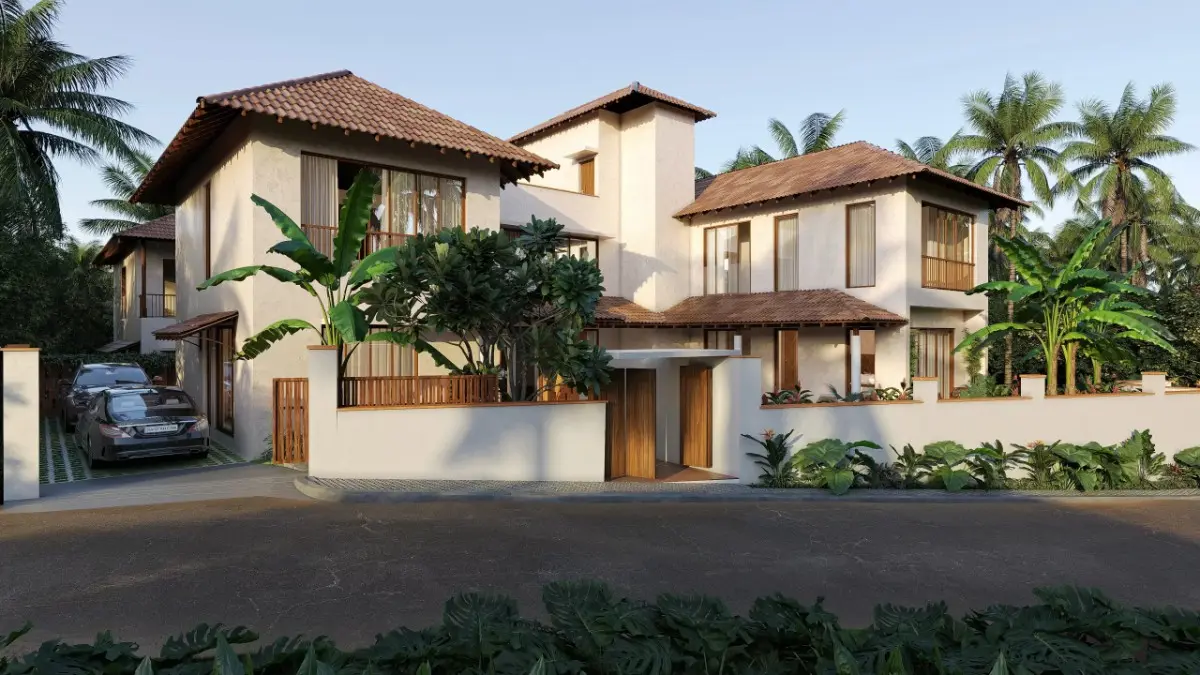
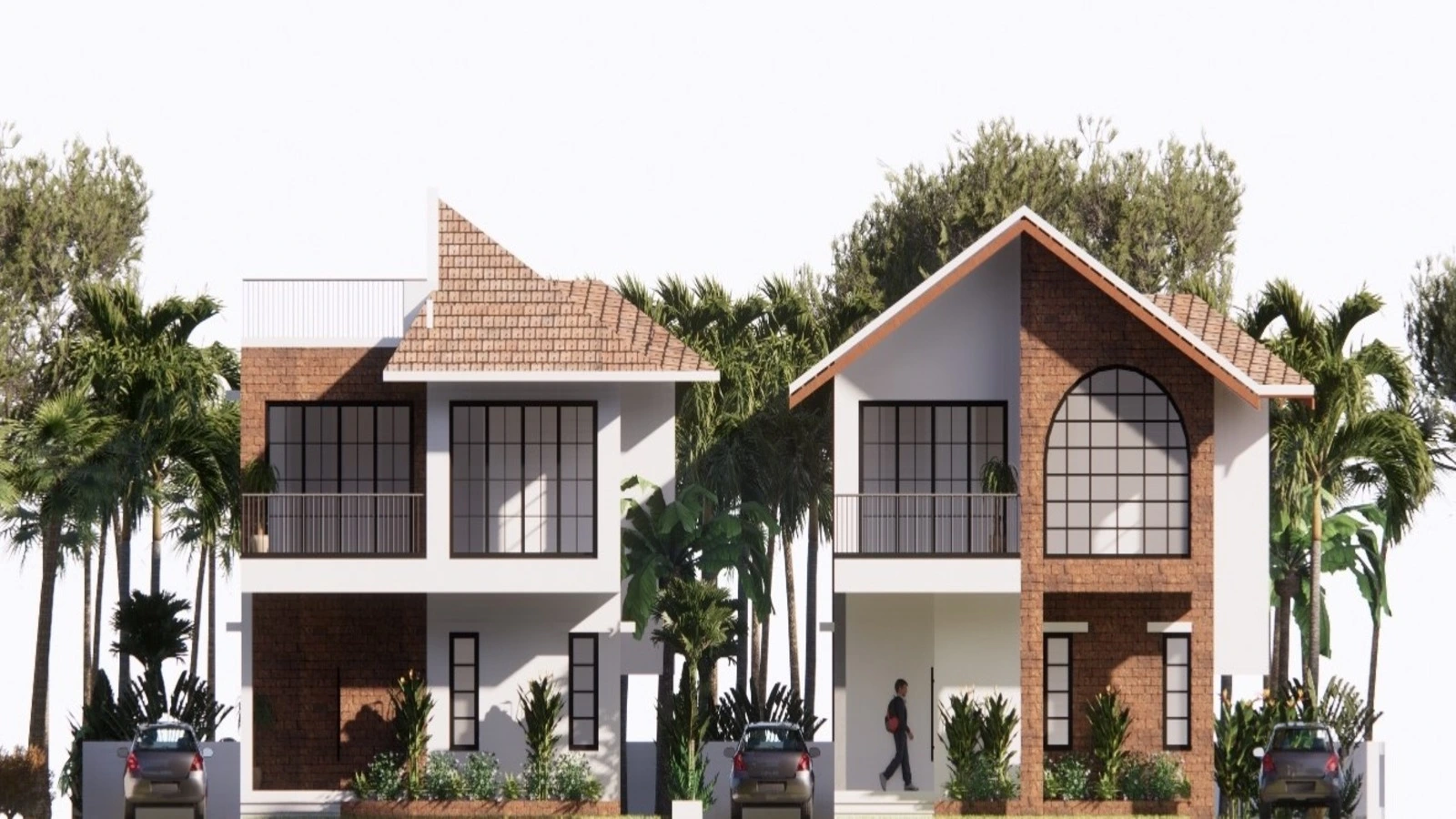
Before beginning your property search, define the purpose of your purchase. Are you planning to live in the villa, use it occasionally as a holiday home, or generate rental income?
You should also establish a realistic budget that includes more than the property’s sale price. Stamp duty, registration charges, legal fees, interiors, maintenance, utility connections, insurance, and property management can all add to the overall cost.
It is also advisable to understand your financing options in advance. If you plan to take a home loan, explore pre-approval and clarify the interest rate, repayment schedule, documentation requirements, and other associated charges before signing an agreement.
Most importantly, research the local property market and seek independent legal advice before making a final decision.
1. Choosing a Villa Based Only on Price
Price is an important consideration, but it should not be the only factor guiding your decision. A property offered at a significantly lower price may involve compromises related to construction quality, location, access, amenities, documentation, or future demand.
Instead of comparing only the price per square foot, evaluate the complete value of the property. Consider the quality of construction, size of the plot, design, amenities, location, maintenance costs, developer reputation, and potential resale value.
A well-priced villa should offer a sensible balance between cost, quality, location, and long-term suitability.
The reputation and track record of the developer can significantly influence your buying experience. Before committing to a project, research the developer’s previous work, delivery history, construction standards, customer feedback, and post-possession support.
Consider asking the following questions:
- How many projects has the developer completed?
- Were previous projects delivered on time?
- Are existing residents satisfied with the construction quality and services?
- Does the developer provide transparent documentation?
- Is there a reliable after-sales and maintenance process?
If possible, visit a completed project and speak with existing homeowners. This can provide valuable insight that may not be available through brochures or sales presentations.
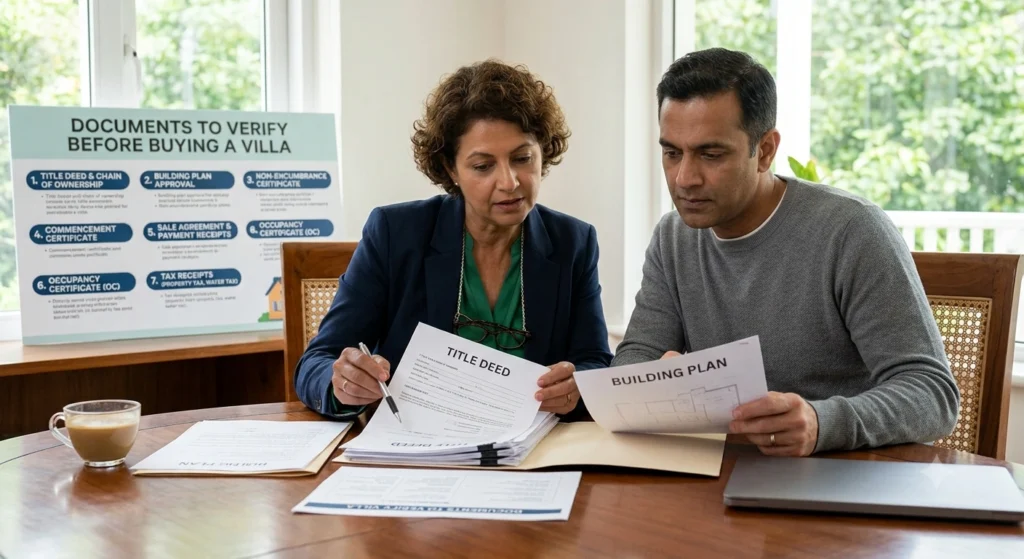
One of the most serious mistakes a buyer can make is proceeding without thoroughly verifying the property’s legal documents. A villa may look perfect, but legal complications can create significant financial and practical problems later.
Before signing a sale agreement, ask an independent property lawyer to review the relevant documents, including:
- Title deed and ownership history.
- Encumbrance Certificate.
- RERA registration, where applicable.
- Approved building plans.
- Construction and development permissions.
- Occupancy Certificate.
- Completion Certificate.
- Sale agreement and draft sale deed.
- Property tax receipts.
- Land conversion and zoning documents, where applicable.
Do not rely solely on documents provided by the seller or developer. Independent legal verification is an important part of protecting your investment.
The purchase price is only one part of the total cost of buying a villa. Many first-time buyers focus on the quoted price and overlook the additional expenses involved in completing and maintaining the purchase.
Depending on the property and transaction, additional costs may include:
- Stamp duty and registration charges.
- Legal and documentation fees.
- GST, where applicable.
- Interior design and furnishing.
- Utility connections and deposits.
- Society or community charges.
- Landscaping and pool maintenance.
- Property insurance.
- Repairs and ongoing maintenance.
- Property management fees if the villa is rented out.
Prepare a detailed budget before making an offer. Keeping a contingency reserve can also help you manage unexpected costs after possession.
The right location depends on how you intend to use the villa. A location that is ideal for holiday rentals may not be the best choice for permanent living, and a peaceful residential area may not suit buyers seeking proximity to nightlife and tourist attractions.
North Goa is known for its vibrant lifestyle, entertainment options, restaurants, beaches, and holiday-rental demand. South Goa may appeal more to buyers seeking tranquillity, privacy, open spaces, and a slower pace of living.
When evaluating a location, consider:
- Distance from beaches and local attractions.
- Road access and travel time.
- Proximity to schools, hospitals, and supermarkets.
- Availability of restaurants and daily conveniences.
- Airport and transport connectivity.
- Neighbourhood development.
- Water, electricity, and internet infrastructure.
- Noise levels and seasonal activity.
- Future development plans.
Visit the area at different times of the day and, if possible, during both peak and off-season periods.
Buying a villa based only on photographs, videos, or virtual tours can be risky. Images may not accurately convey the quality of construction, road access, surrounding development, noise levels, drainage, or the actual distance from nearby facilities.
A physical inspection allows you to assess:
- The quality of construction and finishes.
- The condition of roads and access routes.
- Natural light, ventilation, and privacy.
- Water pressure and drainage.
- The surrounding neighbourhood.
- Nearby construction or commercial activity.
- Parking and entry points.
- The condition of common amenities.
- Mobile network and internet availability.
If you cannot visit personally, appoint a trusted representative or engage an independent property inspection professional to assess the villa on your behalf.
If rental income is part of your investment plan, do not assume that every villa will generate strong returns. Rental performance depends on location, villa design, seasonality, competition, operating costs, marketing, local regulations, and property management.
Before buying, research:
- Average occupancy rates in the area.
- Peak and off-season rental demand.
- Typical nightly and monthly rental rates.
- Similar properties competing in the market.
- Property management and housekeeping costs.
- Maintenance, utilities, taxes, and platform charges.
- Rules governing short-term rentals.
Prepare a conservative rental-income estimate rather than relying on the most optimistic projection. A property that works well as a holiday home may not necessarily produce consistent rental returns throughout the year.
Amenities can improve both your ownership experience and the property’s appeal to future buyers or tenants. However, it is important to distinguish between amenities that add genuine value and features that simply increase the purchase price.
Depending on your requirements, useful villa amenities may include:
- A private or shared swimming pool.
- Security systems and controlled access.
- Landscaped outdoor areas.
- Dedicated parking.
- Energy-efficient fittings.
- Smart-home features.
- A clubhouse or fitness area.
- Backup power and water systems.
- Efficient waste management.
- Well-maintained common spaces.
Ask about the cost of maintaining these facilities. An impressive amenity package can become expensive if monthly charges are high or the maintenance arrangements are unclear.
Even if you intend to own the villa for many years, it is wise to consider its future resale potential. Market conditions can change, and a property with strong resale fundamentals gives you greater financial flexibility.
Resale value may be influenced by:
- The reputation of the developer.
- The quality and condition of the villa.
- Location and accessibility.
- Demand from buyers and tenants.
- Neighbourhood development.
- Availability of essential infrastructure.
- Legal clarity and documentation.
- Community management and maintenance.
- Design, layout, parking, and amenities.
Avoid selecting a highly customised property that may appeal only to a very small group of buyers. Practical design, good maintenance, and clear documentation can support broader future demand.
Goa’s lifestyle can make it easy to fall in love with a property before evaluating the practical details. While emotional appeal is natural, it should not replace financial and legal due diligence.
Before making a final decision:
- Compare multiple properties.
- Review the complete cost of ownership.
- Verify all documents independently.
- Assess the location objectively.
- Understand the payment schedule.
- Read the agreement carefully.
- Take time to evaluate rental and resale potential.
- Seek advice from qualified legal and financial professionals.
Do not allow limited-period offers or sales pressure to rush your decision. A considered purchase is more likely to deliver long-term satisfaction.
Use the following checklist before finalising your purchase:
- Define the purpose of buying the villa.
- Set a complete budget, including additional costs.
- Explore home-loan options and obtain pre-approval if required.
- Research the location and surrounding infrastructure.
- Investigate the developer’s track record.
- Visit the property and inspect its construction quality.
- Verify the title, permissions, and other legal documents.
- Review the sale agreement with an independent lawyer.
- Calculate maintenance and property management expenses.
- Assess rental demand and realistic income potential.
- Check the amenities and their ongoing costs.
- Confirm that registration and possession formalities are completed correctly.
The ideal location depends on your lifestyle, budget, and investment objectives. Some areas that attract interest from luxury homebuyers include the following:
Other locations, such as Siolim, Panjim, and selected areas of South Goa, may also be worth considering depending on your priorities. Always evaluate the specific property, neighbourhood, access, and legal status rather than relying on the reputation of a location alone.
Before entering into a binding agreement, ensure that the property’s documentation is reviewed by a qualified property lawyer. Important documents may include:
- Title deed.
- Previous sale deeds and ownership records.
- Encumbrance Certificate.
- RERA registration details, where applicable.
- Approved building plans.
- Development permissions.
- Land conversion and zoning documents.
- Occupancy Certificate.
- Completion Certificate.
- Property tax receipts.
- Sale agreement.
- Draft sale deed.
- Utility and maintenance records.
The documents required may vary depending on the property, project structure, land status, and transaction type. Therefore, professional legal advice is recommended.
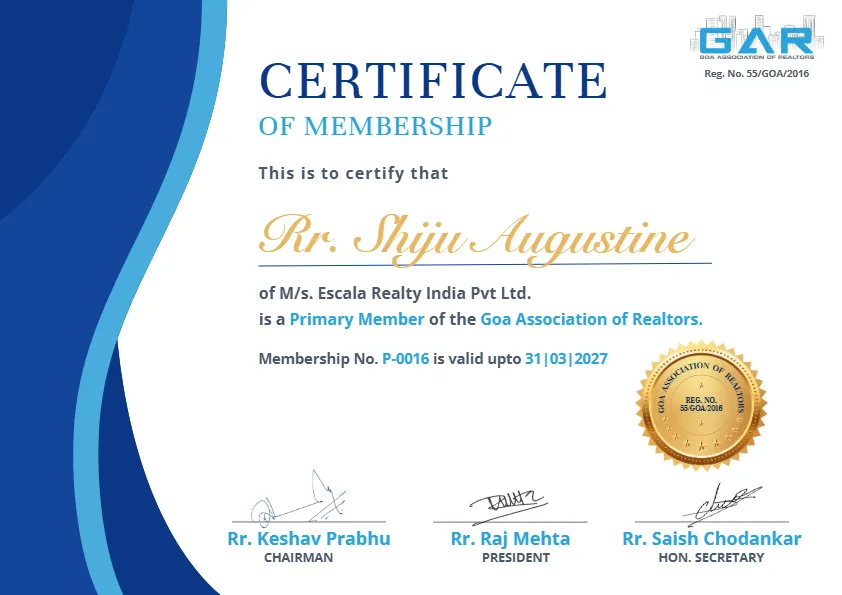
A reliable developer should offer more than attractive designs and marketing material. Look for a company with a transparent sales process, demonstrable experience, sound construction quality, clear documentation, and responsive after-sales support.
Before making a decision, review the developer’s:
- Industry experience.
- Completed and ongoing projects.
- Delivery record.
- Construction standards.
- Customer reviews.
- Financial and payment terms.
- Legal transparency.
- Maintenance and handover process.
- Warranty and after-sales support.
A developer who communicates clearly and provides documentation promptly can make the buying process more straightforward.
Buying your first villa in Goa is a significant decision that requires careful planning, proper documentation, and a clear understanding of your long-term objectives.
Escala Realty can help prospective buyers explore thoughtfully designed villas in desirable locations across Goa. From understanding your requirements to reviewing available options, the right property partner can help make the search and purchase process more informed and convenient.
If you are exploring villas for sale in North Goa, contact Escala Realty to learn more about available residences and identify a property that suits your lifestyle and investment goals.