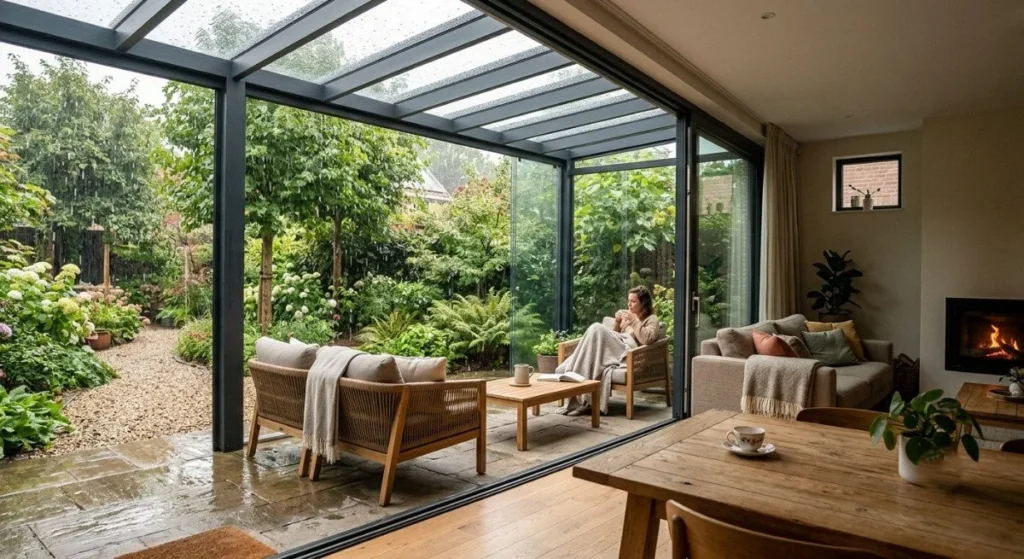
Picture your mornings in Goa. Sunlight spilling across the verandah, the sound of rain on a tiled roof, and a living room that opens straight onto the garden. It’s the picture most people carry when they imagine owning one of the luxury villas in Goa. Turning it into a home that still feels this way after five monsoons, though, takes more than a beautiful mood board.

Goa’s climate is unlike that of most Indian cities. Heavy rain, high humidity and salty sea air affect every surface inside a home. So the interior trends gaining ground in 2026 have as much to do with the weather as with looks. Here’s what’s changing.

What Homeowners Want From Villa Interiors Today

Across North Goa, homeowners are now prioritising:

  • Rooms that stay naturally cool and airy
  • Materials that suit humidity and age well
  • A sense of Goan identity rather than a generic look
  • Private spaces for rest and wellness
  • Technology that works quietly in the background

Our Projects

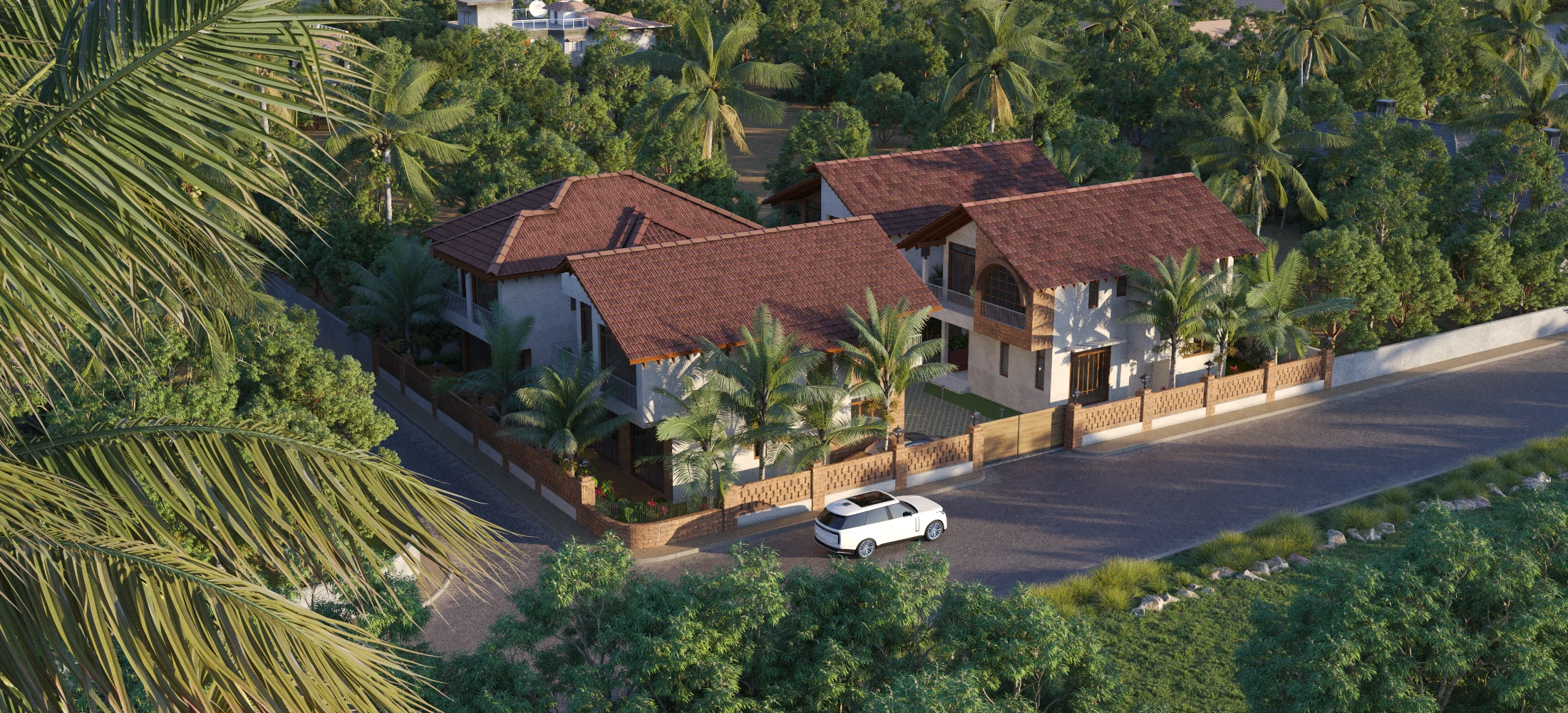
Aerial view of a tropical villa surrounded by lush greenery, with a driveway and parked cars, featuring red-tiled roofs and palm trees around the property

La Demure - Vagator

Introducing the newest addition to the vibrant Vagator neighbourhood of Goa: a stunning Tropical Haven featuring four independent 4-bedroom villas designed for ultimate comfort and style.
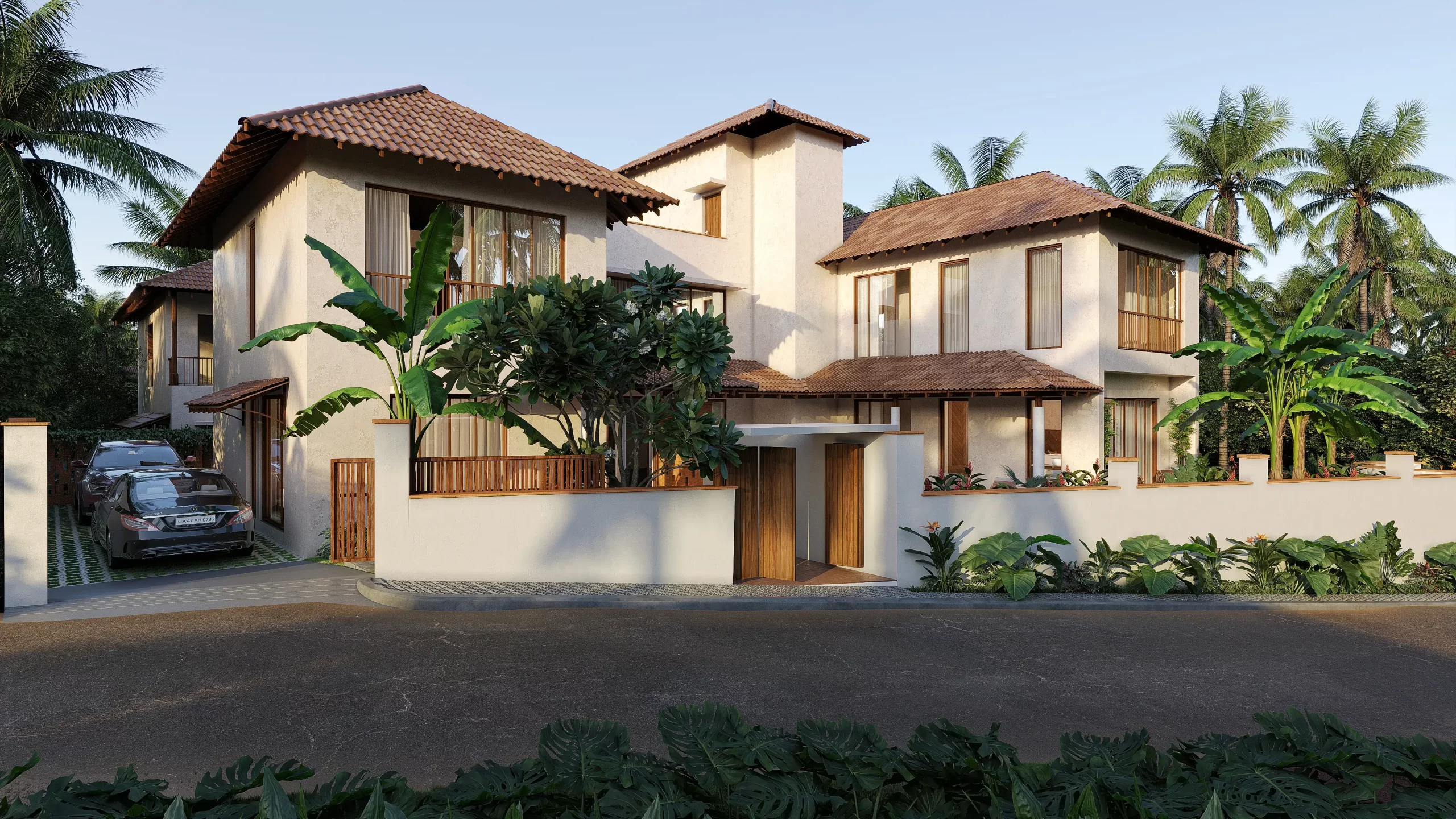
La Quinta, a modern two-story villa in Assagao, Goa, with wooden accents, large windows, and tropical landscaping.

La Quinta - Assagao

Discover the latest offering in the vibrant Assagao neighbourhood of Goa, where luxury living harmonises with tropical design.

Alocassia Manor

Discover our project in the vibrant Anjuna neighbourhood of Goa, where luxury living harmonises with tropical design.

Start With Air and Light

Traditional Goan houses stayed comfortable long before air-conditioning, thanks to central courtyards, high ceilings and windows placed opposite each other. These ideas now sit at the heart of modern luxury villa design in Goa. Warm air rises, so double-height living rooms with high windows let heat escape naturally. Courtyards and light wells bring daylight into the centre of the home, and shaded verandahs keep direct sun off the glass.

A useful tip: plant generously outdoors, but keep indoor plants to a few. Plants release moisture, which adds to indoor humidity during the monsoon.

Why Soft Whites Work in Goan Homes

Luxury two-storey villa with modern architecture, spacious balconies, landscaped gardens, and tropical palm trees.

Soft whites are everywhere this year. Pantone chose Cloud Dancer, a soft white, as its Colour of the Year for 2026, the first white in the programme’s history.

In a Goan villa, a warm white reflects light into rooms shaded by deep roof overhangs and keeps interiors feeling cool. The finish matters as much as the colour. Lime plaster, used in old Goan homes, is porous and lets moisture escape, while standard acrylic paint can trap it and blister. Pairing white walls with a timber ceiling or stone wall keeps the room warm rather than stark.

Choosing Materials That Suit the Climate

Local materials have become the new luxury, partly for their character and partly because they cope better with coastal conditions.

Materials worth considering:

  • Red oxide and IPS (Indian Patent Stone) floors: stay cool underfoot and can be repaired easily
  • Exposed laterite: Goa’s native stone; seal it with a breathable water repellent so moisture isn’t trapped inside
  • Seasoned teak and reclaimed wood: handle humidity better than engineered boards
  • SS 316 stainless steel fittings: resist salt-air corrosion; a PVD coating adds brass or matt-black tones
  • Cane and rattan: allow air to circulate in wardrobes and cabinets

A finish that looks perfect in a Mumbai showroom may not last one Goan August, so it’s worth asking how any material performs in humidity before choosing it.

Bringing Goan Heritage Indoors

Indo-Portuguese design offers plenty of inspiration. The balcão, the traditional seated porch at the entrance, works beautifully as an evening sit-out. Oyster-shell (carepa) window panels once filtered harsh sunlight, and now appear as screens and lamp shades. Hand-painted azulejo-style tiles add colour to kitchen backsplashes and stair risers.

Use them sparingly. Two or three heritage details feel personal; too many and the house starts to look like a themed café.

Designing Indoor–Outdoor Spaces for the Rains

Goa receives around 3,000 mm of rain a year, most of it between June and September. Outdoor areas that look lovely in December can become unusable in July if they aren’t planned for the rain. 

Features that make indoor–outdoor living work year-round:

  • Deep roof overhangs, so doors can stay open during showers
  • Raised thresholds and drainage channels at sliding doors
  • Anti-skid natural stone around pools instead of glossy tiles
  • Outdoor furniture in teak or powder-coated aluminium

Wellness Spaces at Home

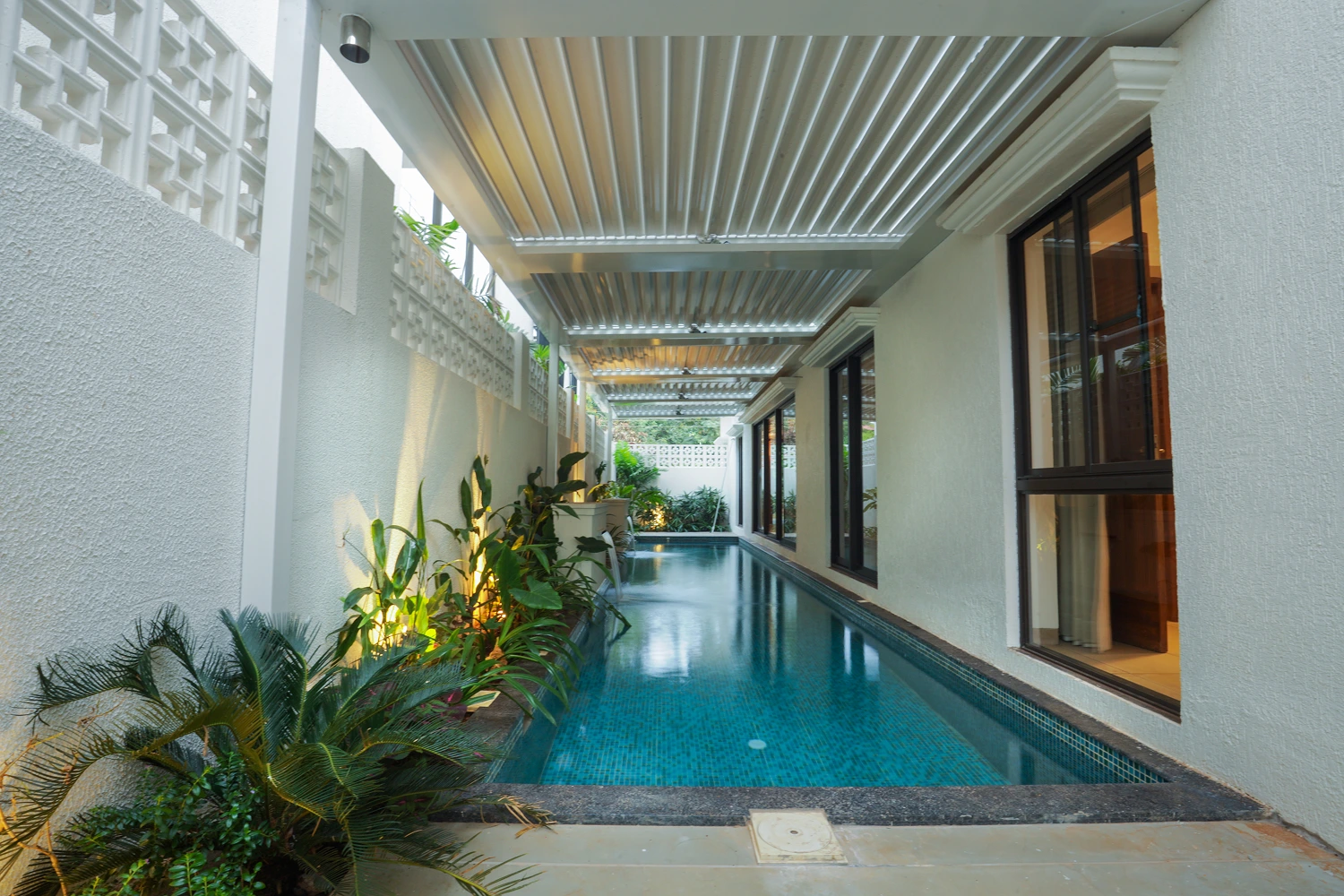
Bathrooms are increasingly designed as places to unwind rather than simply get ready. Open-to-sky shower courts, freestanding tubs placed near a window, and terrazzo or lime-plaster surfaces create a calm, spa-like feel. Plunge pools, cold plunge tubs and upper-floor yoga decks that catch the evening breeze are also becoming common in larger villas.

Technology That Stays Out of Sight

Smart features are now expected, but homeowners prefer them hidden. Automated dehumidifiers can run through the monsoon to protect furniture, books and artwork. Motorised timber louvers help shade west-facing rooms from the afternoon sun. Warm lighting around 2700K creates a softer glow than bright white LEDs, and remote monitoring of water tanks, pumps and security is especially useful for owners who spend part of the year away.

How Location Shapes Your Interior Choices

If you plan to buy a premium villa in Goa, it helps to know that location affects what works inside. Homes closer to the coast face more salt air, so corrosion-resistant fittings and sealed surfaces matter most. Inland, leafier villages see more humidity and greenery, making ventilation and moisture control the priority.

Two villa communities in North Goa show how design responds to its setting

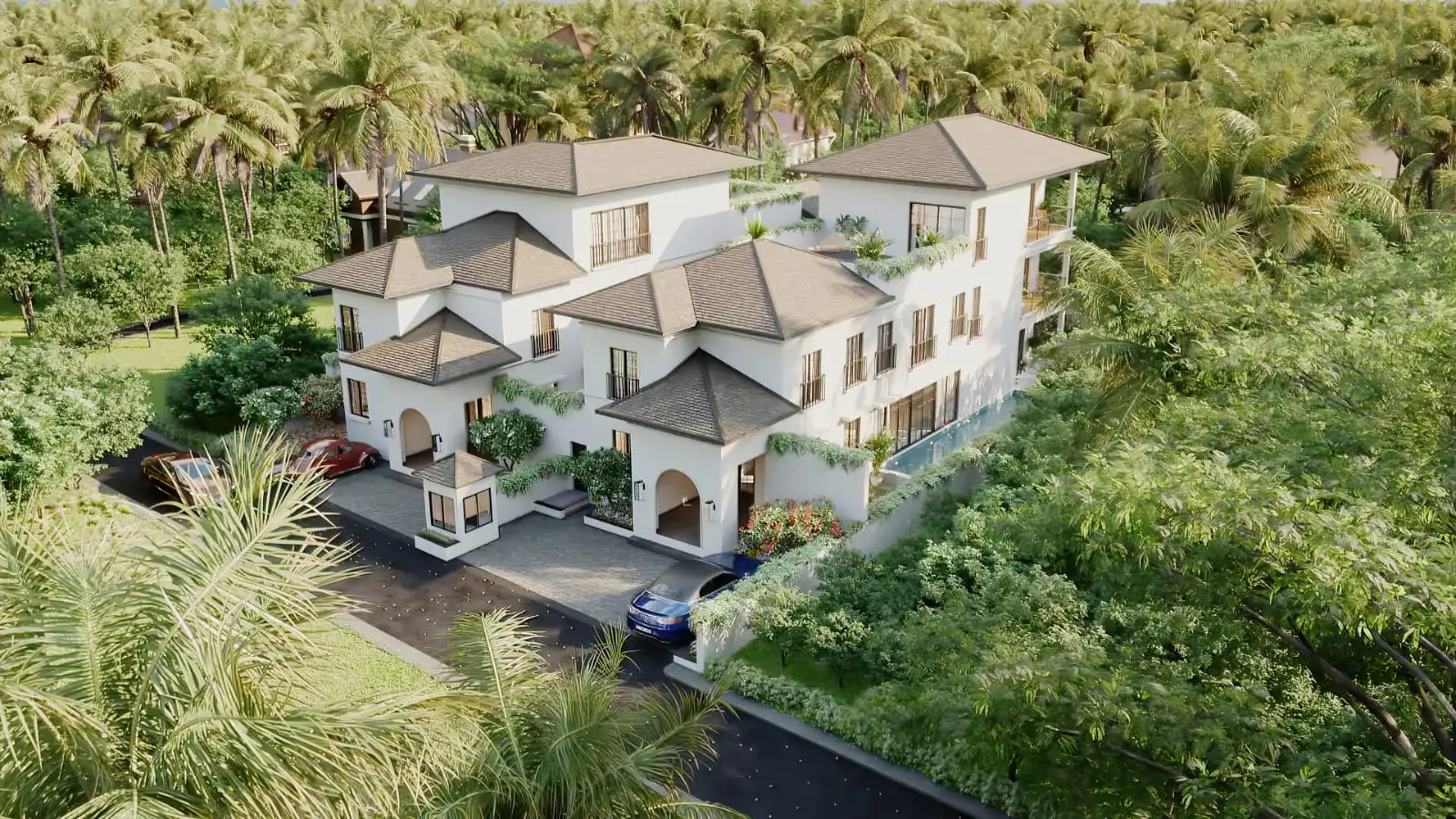
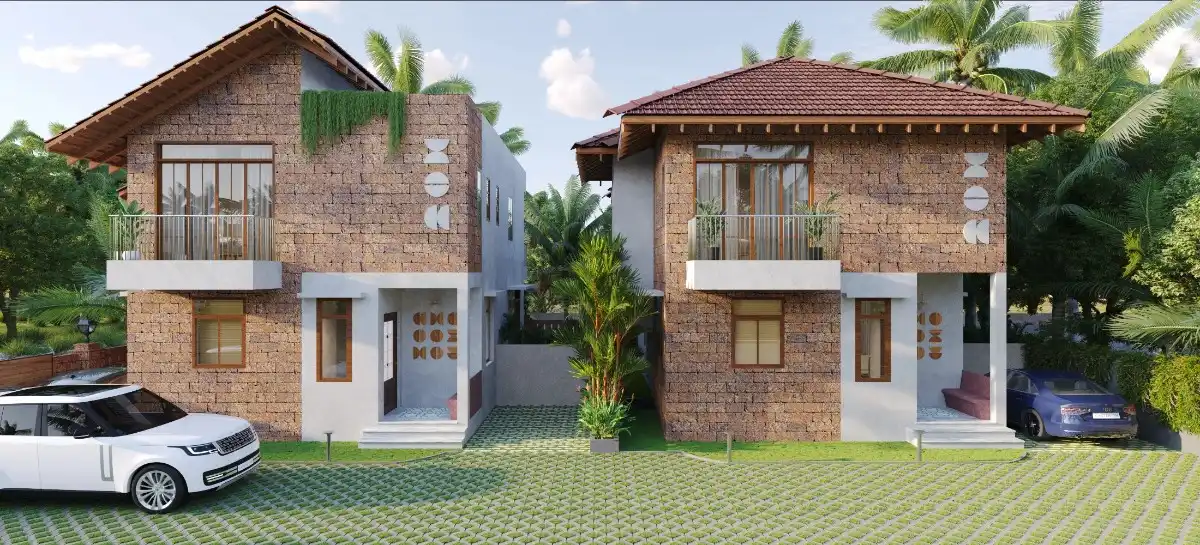
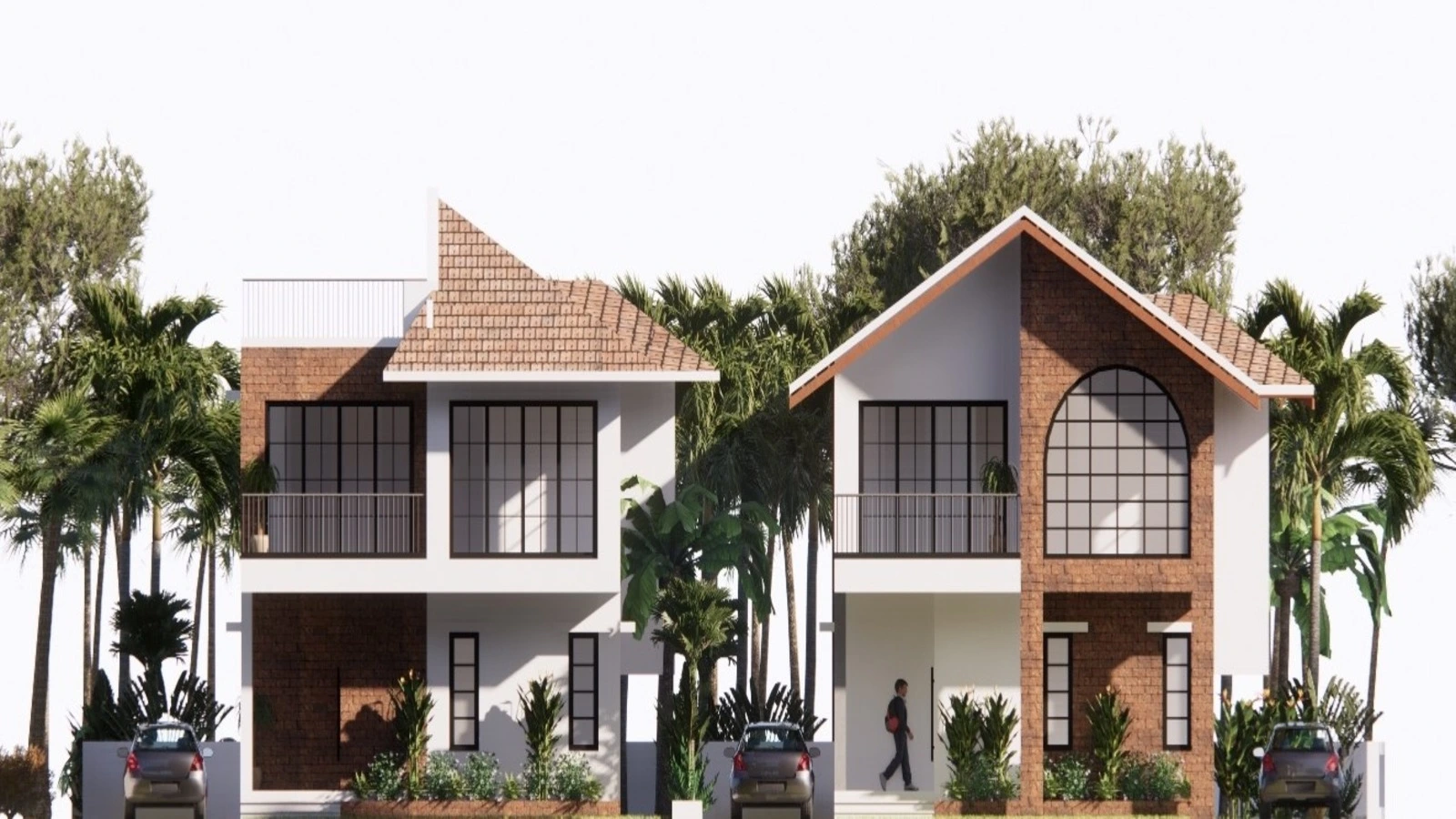
Modern luxury villas with contemporary architecture, sloping tiled roofs, spacious balconies, landscaped gardens, and private parking.

La Demure, Vagator

At La Demure, Vagator, four 4-bedroom villas follow a Mediterranean-tropical style, with open layouts, natural light, landscaped gardens and private pools suited to a relaxed coastal setting.

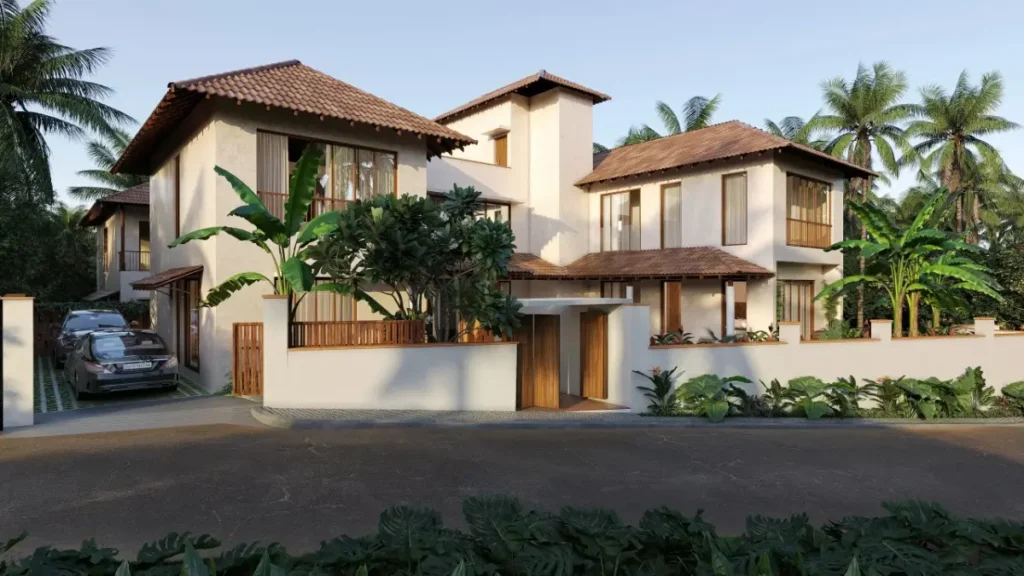
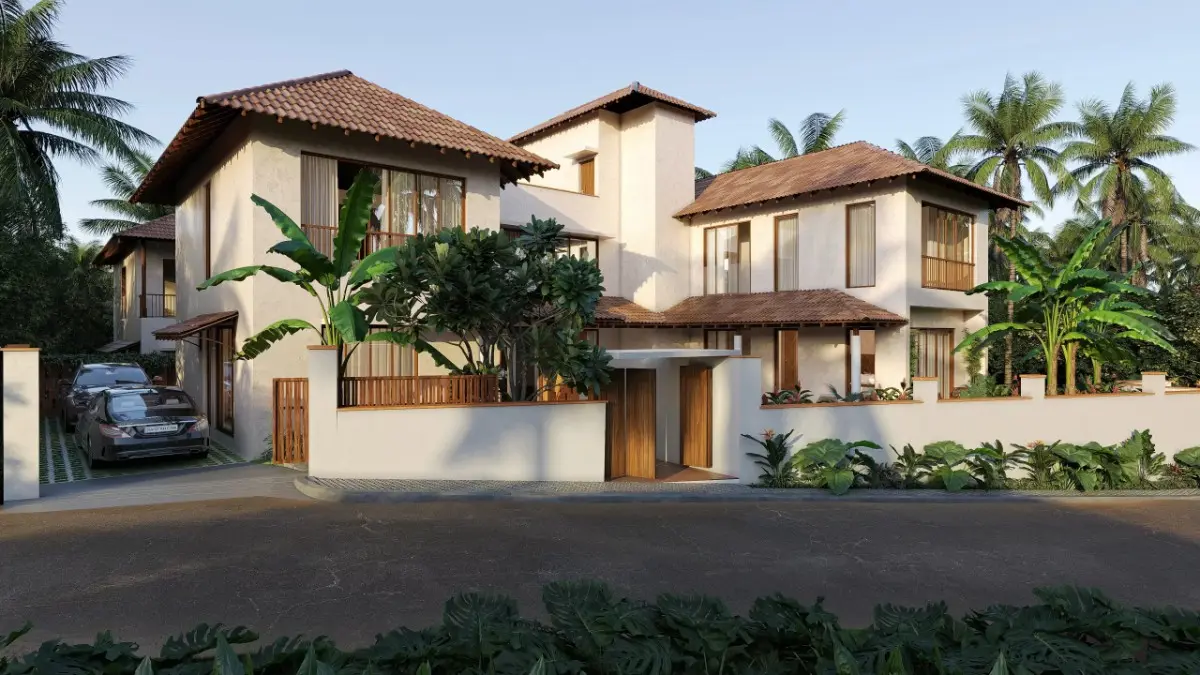
Luxury two-storey villa with modern architecture, spacious balconies, landscaped gardens, and tropical palm trees.

La Quinta, Assagao

At La Quinta, Assagao, two 5-bedroom villas offer a warm, contemporary take on Goan architecture, with gardens of tropical and native plants, expansive outdoor decks and private pools that extend living space outdoors.

Interior Checklist for a Goa Villa

Before finalising your interiors, check for:

  • Cross-ventilation in every room
  • BWP-grade plywood or solid wood instead of MDF
  • Membrane waterproofing on terraces and bathrooms
  • Finishes tested for humidity
  • A maintenance plan for the months you’re away
  • Electrical and plumbing points planned before possession

Conclusion

The best villa interiors in Goa in 2026 work with the climate rather than against it. Good airflow, breathable finishes, local materials and a few heritage touches make a home that still feels good ten monsoons later. At Escala Realty, that’s how we approach every villa we build.

FAQ`s

What interior style suits luxury villas in Goa?

A blend of modern tropical and Indo-Portuguese design.

Red oxide, IPS, terracotta and honed natural stone.

Lime plaster, natural stone, seasoned teak and SS 316 fittings.

Yes, it lets walls breathe and resists blistering.

Ventilation, waterproofing, material quality and location.

 Before possession, while layouts can still change.